Dim Sum
Introduction
Dim sum, a quintessential part of Cantonese cuisine, is a traditional Chinese meal composed of a variety of small dishes served with tea. Originating from the southern regions of China, particularly Guangdong province, dim sum is more than just a meal; it is a culinary experience that embodies communal dining and cultural richness. The term "dim sum" translates to "touch the heart", reflecting the small portions meant to touch one's heart without overwhelming the appetite. Typically enjoyed during brunch hours, this dining tradition is deeply embedded in the customs of yum cha, which literally means "drink tea". This tradition involves a leisurely meal where friends and family gather in bustling tea houses to share an assortment of dishes ranging from savory to sweet. The essence of dim sum lies in its variety and the artful preparation of each bite-sized dish, which is often handmade and freshly cooked. With its roots in Guangzhou, dim sum has grown to gain global popularity, becoming a beloved culinary tradition in many countries around the world.
History
The practice of yum cha gradually gained popularity in the southern regions of China, where tea houses flourished. It was during the late Qing Dynasty (1644-1911) that Guangzhou, known for its vibrant culinary scene, became a renowned center for dim sum. The city's strategic location as a trading port facilitated the exchange of culinary techniques and ingredients, enhancing the diversity and creativity of dim sum dishes. By the 20th century, the dim sum tradition had firmly established itself in Guangdong province, with the development of specialized techniques and recipes passed down through generations. With the migration of Cantonese people across the globe, dim sum began to spread in popularity, establishing a presence in major cities worldwide. This rich history is reflected in the diversity and complexity of dim sum offerings today, as chefs continue to innovate while staying true to traditional methods.
Cultural Significance
Dim sum holds significant cultural importance in Cantonese society, where it is not merely considered a meal, but a social activity that fosters community and togetherness. The tradition of gathering for yum cha serves as a means for families and friends to connect, share stories, and celebrate special occasions. In many households in Guangzhou, it is customary to spend leisurely mornings over dim sum at tea houses on weekends, a tradition that emphasizes the importance of relaxation and social bonding. The act of sharing a variety of dishes encourages interaction and conversation, making dim sum a pivotal part of family life in Cantonese culture. Beyond familial significance, dim sum also represents the ingenuity and artistic expression of Cantonese culinary arts. Each dish is crafted with precision, showcasing the skills and dedication of the chefs who prepare them. Additionally, the culinary practice of dim sum has become an emblem of Guangzhou's rich gastronomic heritage, contributing to the city's reputation as a "paradise for gourmets". As dim sum continues to evolve, it remains a vital link to the cultural identity and traditions of the Cantonese people.
Types of Dim Sum
Dim sum encompasses an extensive variety of dishes, each with unique flavors and textures. Generally, dim sum can be categorized into several types based on their cooking methods and ingredients. This categorization not only highlights the diversity within dim sum but also reflects various culinary techniques employed in its preparation.
Steamed Dishes
Steamed dishes are a hallmark of dim sum, often celebrated for their delicate flavors and soft textures. Among the most iconic steamed dim sum dishes are har gow (shrimp dumplings) and siu mai (pork and mushroom dumplings). Har gow features a translucent, snow-white dumpling skin that encases a filling of fresh prawns and bamboo shoots, offering a subtle sweetness with each bite. Siu mai, on the other hand, combines minced pork and mushrooms, sometimes with shrimp, wrapped in a thin wonton skin. Another popular steamed delicacy is cheungfen, or steamed rice rolls, made from ground rice milk and served with a variety of fillings such as beef, shrimp, or vegetables, all drizzled with soy sauce. The artistry involved in creating steamed dim sum lies in achieving the perfect texture and maintaining the integrity of delicate wrappers and fillings.
Fried and Baked Dishes
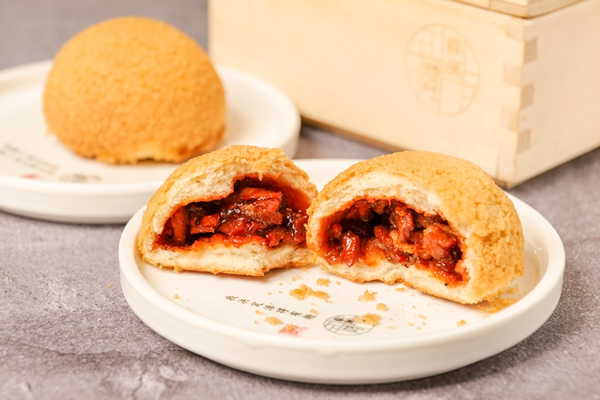
Fried and baked dim sum dishes offer a contrasting experience, characterized by their rich flavors and crispy textures. Cha siu bao, or barbecue pork buns, can be either steamed or baked, with a sweet and savory pork filling encased in a fluffy or crispy exterior. Spring rolls, another favorite, feature a filling of vegetables, shrimp, or meat wrapped in thin pastry and deep-fried to golden perfection. Egg tarts, a classic baked dim sum dessert, consist of a flaky pastry crust filled with a smooth, sweet custard. These dishes highlight the versatility of dim sum, showcasing deep-frying and baking techniques that add another layer of flavor and texture to the dining experience.
Desserts
Dim sum desserts are as varied and delightful as their savory counterparts, often providing a sweet conclusion to the meal. Among the most cherished are water chestnut pudding, a translucent jelly-like dessert with a refreshing crunch, and mango pudding, a creamy concoction made with fresh mango puree and coconut milk. Sponge cake is another traditional dessert, known for its light, airy texture achieved through a careful steaming process. These sweet treats reflect the creativity and attention to detail that defines dim sum, offering a balance of flavors that complement the savory dishes served during yum cha.
Preparation and Ingredients
The art of making dim sum involves precision in measuring ingredients, a keen understanding of cooking times, and the ability to balance flavors and textures. Common ingredients used in dim sum include fresh seafood, pork, chicken, and an array of vegetables, often seasoned with soy sauce, sesame oil, and other aromatic spices. The freshness of ingredients is paramount, as it directly impacts the flavor profile of the dishes. Dim sum chefs often emphasize the importance of handmade preparation, as evidenced by the delicate wrappers of dumplings and the silky smooth textures of rice rolls. This dedication to quality and craftsmanship is what makes dim sum a culinary art form, revered by food enthusiasts around the world.
Serving and Etiquette
Serving and etiquette are integral aspects of the dim sum experience, often reflecting the cultural traditions associated with yum cha. In traditional settings, dim sum is served in small bamboo baskets or on small plates, brought to the table on trolleys or ordered from a menu. Tea is an essential component of the meal, with diners selecting from a variety of options such as jasmine, oolong, or pu'er tea, which are believed to aid digestion. The ritual of pouring tea for others at the table is a sign of respect and hospitality, with the recipient often acknowledging the gesture by tapping two fingers on the table as a silent thank you. When dining, it is customary to use chopsticks to pick up dim sum pieces, with communal serving utensils provided to transfer food from shared plates to individual bowls. Proper etiquette also involves savoring each dish slowly, appreciating the intricate flavors and textures. This mindful approach to dining is central to the dim sum experience, emphasizing the importance of enjoying the meal in a convivial and respectful manner.
Global Popularity
Dim sum has transcended its Cantonese roots to become a beloved culinary tradition worldwide. The global popularity of dim sum can be attributed to the migration of Cantonese communities and the universal appeal of its small, flavorful dishes. It is particularly popular in cities with large Chinese populations, such as Hong Kong, Singapore, and major urban centers in North America, Europe, and Australia. In these locales, dim sum has been embraced not only by expatriate communities but also by locals who appreciate its diverse offerings and communal dining style. Many restaurants outside of China have adapted dim sum to suit local tastes, introducing innovative interpretations while preserving traditional techniques. The spread of dim sum reflects its adaptability and the global fascination with Asian cuisine, contributing to the multicultural culinary landscape in many countries. As dim sum continues to gain global recognition, it serves as a culinary ambassador, promoting the rich heritage and flavors of Cantonese cuisine to a wider audience.
Dim Sum in Modern Culture
In modern culture, dim sum has evolved beyond a traditional meal to become an emblem of culinary innovation and a focal point of contemporary dining experiences. Chefs around the world have been inspired by dim sum to create avant-garde dishes that blend traditional techniques with modern flavors and presentations. The rise of dim sum in popular culture is also evident in the proliferation of upscale dim sum restaurants and eateries that offer unique dining experiences, from open kitchens showcasing the craftsmanship of dim sum chefs to creative menu offerings that push the boundaries of traditional dim sum. Additionally, dim sum has become a fashionable social activity, often featured in food festivals, culinary tours, and even in media representations that celebrate its cultural significance and gastronomic allure. This modern reinterpretation and celebration of dim sum highlight its enduring appeal and its ability to adapt to changing culinary landscapes while maintaining its core essence as a symbol of community and tradition.








